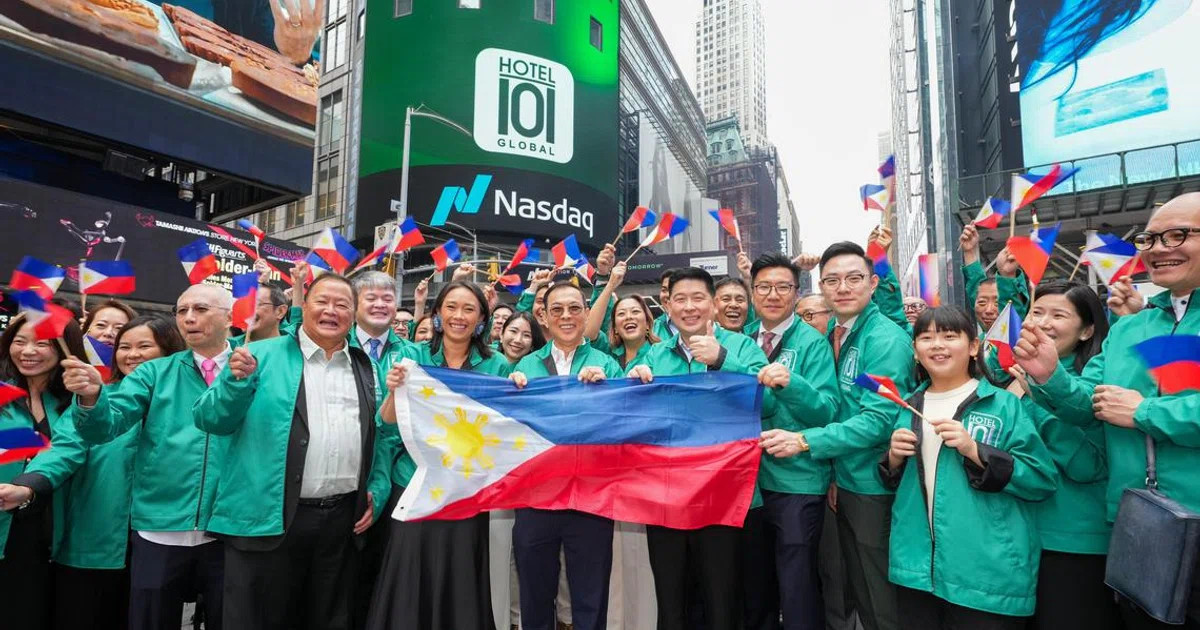
[SINGAPORE] As the first Filipino-owned company to list on the world’s second-largest stock exchange Nasdaq, Hotel101 Global may have bumped the Philippines – long lagging regional peers in capital markets activity – up the radar of foreign investors.
The Singapore-based proptech hospitality platform remains a fledgling in the international arena but its parent company, the Philippines-listed DoubleDragon, has built a solid track record at home.
DoubleDragon takes its name from its chairman, Edgar Sia, 48, and co-chairman, Tony Tan, 72, both of whom were born in the year of the dragon.
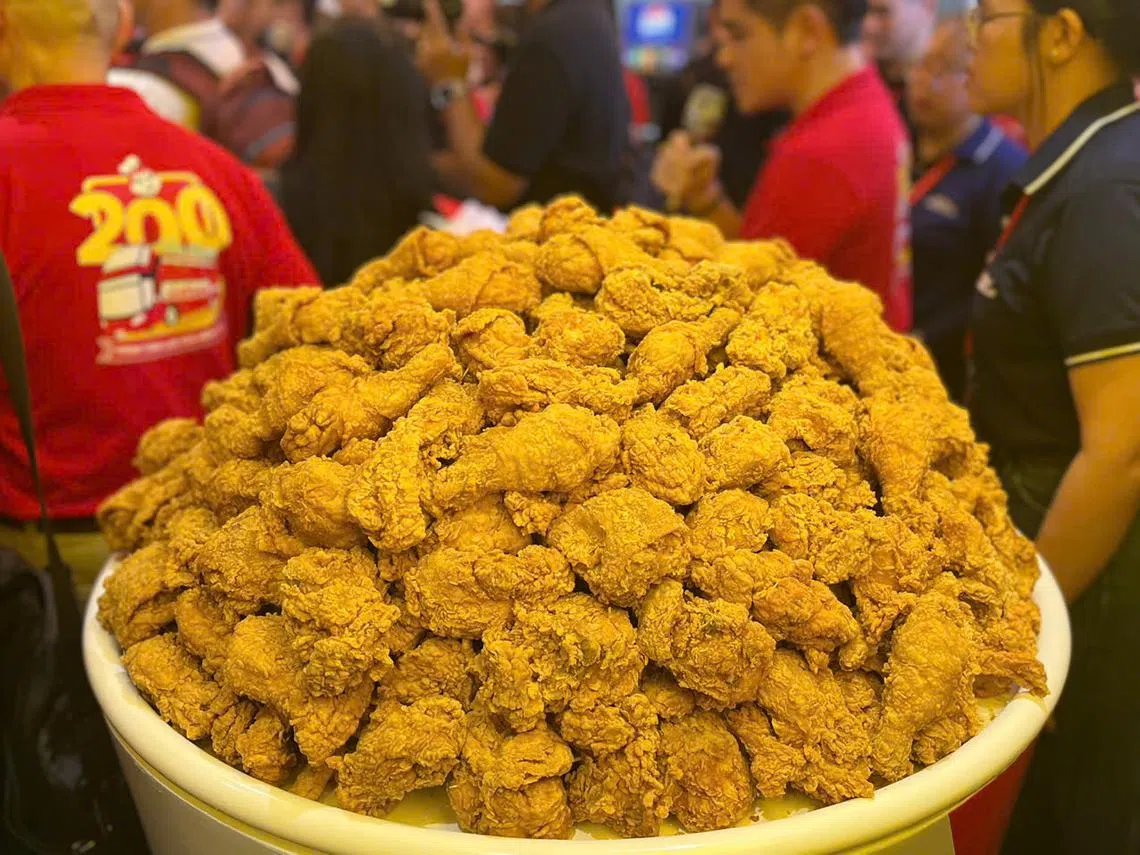
Both are also the respective founders of the largest fast-food chains in the Philippines: Mang Inasal, known for its grilled chicken; and Jollibee, beloved for its fried chicken and spaghetti.
Filipino hospitality
The duo has lofty dreams for Hotel101.
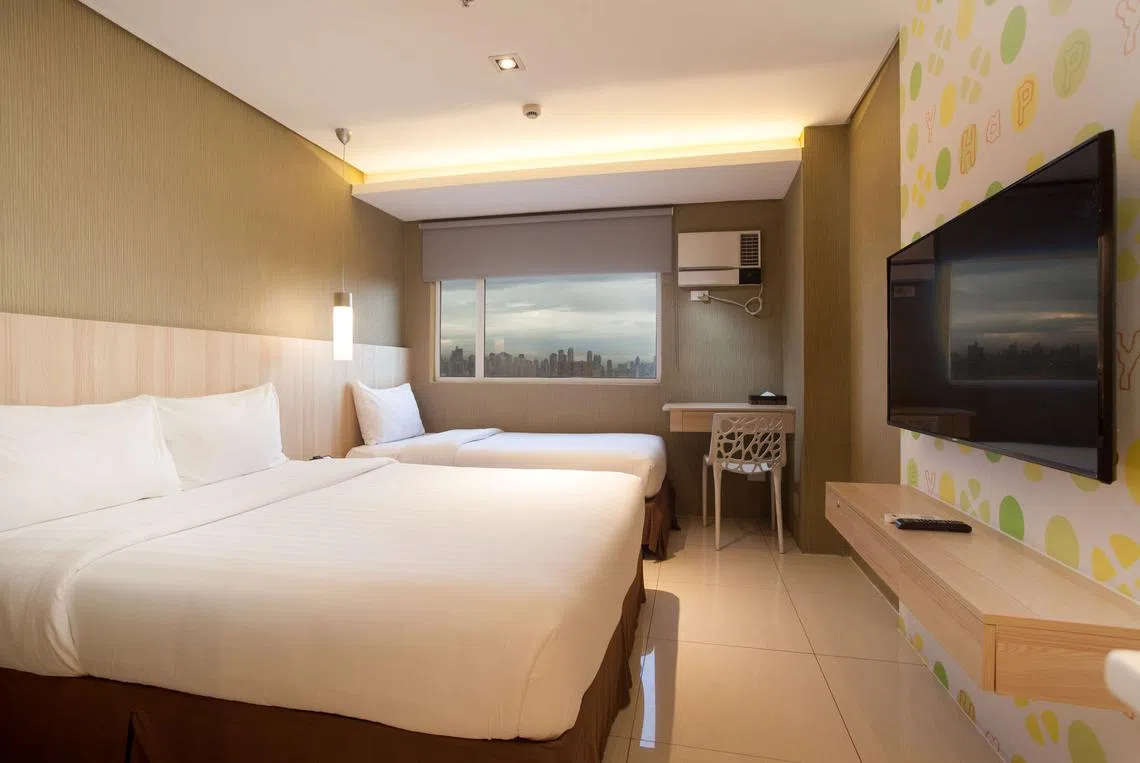
Its unique selling point is simple: A “one room” hotel chain model that offers identical, standardised rooms, wherever the location.
Each 21 square metre room has a queen-sized bed; a single bed; a television; an en suite bathroom; a kitchenette with a refrigerator and a microwave; a safe; and a work desk.
It generates upfront revenue from the pre-selling of hotel units during the construction phase, followed by recurring revenue from long-term contracts for managing and operating the units.
“We’re just getting started,” said Sia in a press statement in June, noting that the vision is to have one million rooms globally.
The group has, as at Dec 31, 2024, two operational hotels within Metro Manila with 1,124 rooms, according to its registration statement filed with the US Securities and Exchange Commission in May.
Under construction (as at Dec 31, 2024) are three other hotels in Cebu, Davao City and Quezon City with a total of 1,769 rooms.
Four separate projects in Baguio City, Bohol, Boracay Island and Palawan, comprising more than 2,000 rooms, are (as at Dec 31, 2024) said to be under planning and development.
Globally, three Hotel101 developments are in the pipeline in Hokkaido, Japan; Madrid, Spain; and Los Angeles, the US. The group also entered into a joint venture in May to build up to 10 hotels in Saudi Arabia, said the statement.
The medium-term goal is to establish a presence in 25 priority markets.

Riding the dragon’s tail
Hotel101 stands on the shoulders of Filipino real estate giant DoubleDragon, which hopes its international hotel expansion arm will propel its growth.
DoubleDragon focuses on four principal business segments of retail leasing, office leasing, hospitality and industrial leasing. It also sources new rental revenue streams from the leasing of roof space to tap solar energy, and from roof deck space leasing for common telecommunications towers.
With a market capitalisation of some 24.1 billion Philippine pesos (S$542 million) as at Monday (Jul 21), the company saw its net profit more than quadruple for the three months ended Mar 31, 2025, compared with the same year-ago period.
The 363.5 per cent jump to 1.2 billion pesos from 269.5 million pesos was driven by unrealised gains from fair-value changes of investment property due to the completion of projects during the period, said its first-quarter 2025 financial statement.
Additional sales from Hotel101 and the group’s residential projects – particularly from its properties in Spain’s Madrid and Japan’s Niseko – also bumped up real estate sales by 68.9 per cent to 417.4 million pesos, from 247.1 million pesos a year before.
DoubleDragon was incorporated in 2009 as a wholly owned subsidiary of Injap Investments, the holding company of the Sia family, who were making their initial foray into real estate development.
In 2012, it became a 50:50 joint venture between Injap and Honeystar – headed by Tan.
It began building a chain of community malls in second and third-class provincial cities in the Philippines, before venturing into the office space segment.
In 2014, the company made its debut on the Philippine Stock Exchange’s small, medium and emerging board before it transferred to the mainboard the following year.
As at Dec 31, 2024, the company owns and operates 46 malls, primarily located in the provincial areas of the Philippines, said its annual report for the year.
Of drumsticks and dragons
Sia’s entrepreneurial start began much earlier.
Born in 1977 in Iloilo City to a half-Chinese father and a half-Japanese mother, the eldest of three siblings dropped out of architecture school to work on various business ventures.
At 26, Sia founded barbecue chicken restaurant Mang Inasal and its rapid rise to fame caught the attention of Jollibee Foods’ founder, Tan.
Some seven years and 300 stores after Mang Inasal first launched, Jollibee bought a 70 per cent stake in it in 2010 and the remainder in 2016 – and Tan subsequently became Sia’s mentor, perhaps because he walked a similar road.
Tan, a chemical engineer by training, started his entrepreneurial journey in 1975 with an ice-cream family business, which is now a multinational corporation operating 19 brands and more than 9,900 stores in 33 countries.
Prominent brands under Jollibee include Burger King, The Coffee Bean and Tea Leaf, Singapore’s Tiong Bahru Bakery, Taiwan’s Milksha, the US’ Smashburger, Hong Kong’s Tim Ho Wan and Vietnam’s Highlands Coffee.
Both dragon babies – although born two cycles apart – shared the same fiery drive that saw them breathe life into humble ventures, reshaping the Philippine business landscape.
Sia made history as the Philippines’ youngest billionaire at the age of 34 in 2011; Tan today towers as the 14th wealthiest man in the country according to the Forbes World’s Billionaires List 2025.
link