Effective produce merchandising is not for the listless.
Diverse consumer groups with unique purchasing habits make it vital for retailers to consistently monitor their shopper bases and sales history when developing marketing plans, said Anthony Totta, founder, strategy advisor and consultant for FreshXperts LLC, a Parkville, Mo.-based consortium of consultants for the North American fresh produce industry.
Such activities are particularly important for operators that are seeking to boost activity while reducing shrink, he said. More waste, for instance, is likely to occur in stores that attract lower-income individuals, who typically devote less than 10% of their food dollars to fresh produce, Totta said.
Retailers in the locations are prone to spoilage because products remain on display longer, he said, adding that the less-active consumers primarily buy staples, including onions, potatoes, apples, carrots and lettuce.
Stores with the most-active produce shoppers who devote 25% of their food budgets to fresh selections are less conducive to shrink because of the frequent product turns, Totta said.
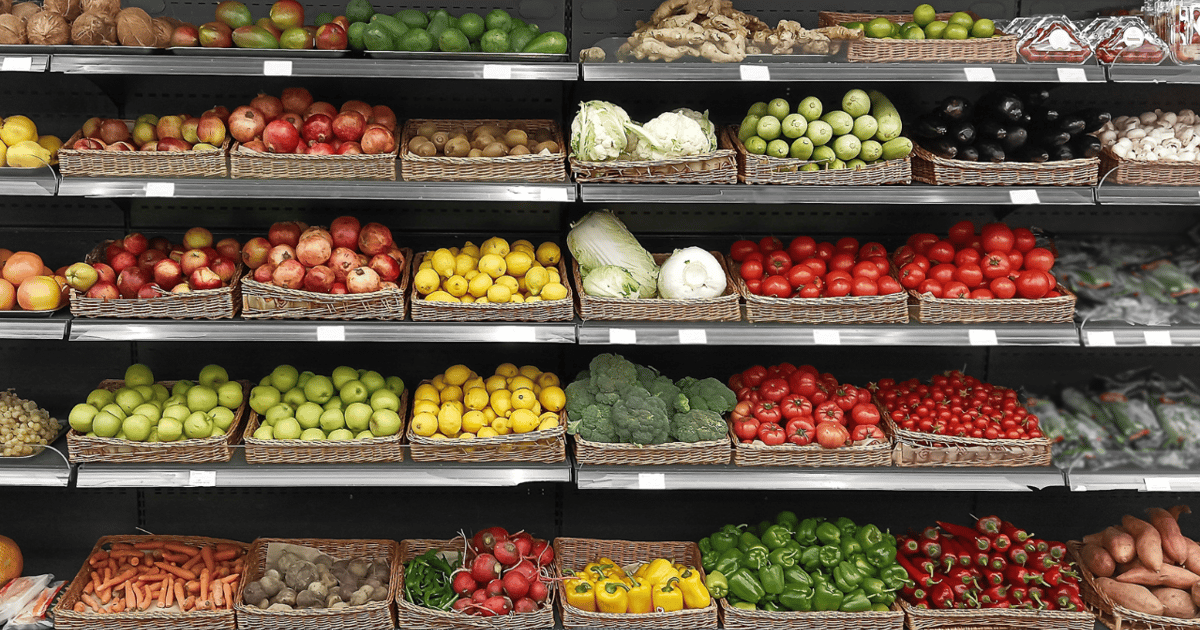
Successful merchandisers will keep produce displays clean, fresh and well stocked, while constantly culling the assortments to ensure there are no selections that the operators “wouldn’t buy themselves,” he said. Retailers can help prevent waste and lost revenues from overstocking and understocking by leveraging software ordering systems that pinpoint the optimal inventories by analyzing historical purchasing data, Totta said.
Because most consumers are “drawn to fresh, colorful and beautiful” product displays, it is crucial that there are no “holes” in the assortments from underordering, he said, noting that “a well-stocked department gives the impression that the produce is fresher and price competitive.”
While shrink cuts into revenues and profits, Totta said retailers still should expect some waste as occasional overordering is the price operators must pay to ensure that all displays have ample selections and remain attractive.
In addition to maintaining visually appealing assortments, it is important for retailers to strategically situate produce in locations with heavy traffic to increase product awareness and activity, he said.
Retailers can further spur interest by having produce department staffers in the aisles to answer shopper questions and extol product benefits while providing samples, Totta said.
“People buy more produce when there are personalities and professionals in the department and customers are not left to their own thoughts when shopping,” he said. “One way to lose in the game of selling is to second guess what the consumer is thinking.”
link