IKEA is a globally recognized brand in the furniture and home goods industry, known for its flat-pack furniture, minimalist designs, and affordability. With hundreds of stores across continents and a vast supply chain, the company’s structure plays a critical role in maintaining efficiency and consistency. Understanding IKEA organizational structure reveals how it manages global scale while retaining its Swedish roots.
Overview of IKEA Organizational Structure
IKEA uses a matrix organizational structure, blending functional and geographic divisions. This structure supports both centralized strategic oversight and regional autonomy, allowing IKEA to manage global consistency alongside local responsiveness.
- Structure Type: Matrix (functional + geographic)
- Employees: Over 231,000 globally
- Key Executives: Jon Abrahamsson Ring (CEO of Inter IKEA Group), Martin van Dam (CFO)
- Adaptability: Moderately flexible—combines centralized direction with regional execution, balancing control and innovation
Key Characteristics of the Organizational Structure
Functional Divisions
IKEA organizes core operations into functional areas such as design, marketing, logistics, and retail. Each function has specialized leadership, ensuring expertise and operational focus—an approach that mirrors how AMD’s business model structures its engineering, marketing, and product units to foster innovation within a global footprint.
This allows the company to maintain brand consistency, product development quality, and customer experience standards across all markets.
Global Hierarchy
The company maintains a clear chain of command with decision-making centralized at Inter IKEA Group’s headquarters in the Netherlands. Regional units report upward, ensuring strategic alignment and unified direction. This structure reinforces IKEA’s global identity while enabling coordinated execution.
Geographic Divisions
IKEA is divided into regional entities such as IKEA North America, IKEA Europe, and IKEA Asia-Pacific. These divisions handle local operations, adapt marketing strategies, and manage store networks to reflect regional consumer needs, a strategy also explored in the ASDA SWOT analysis, where regional adaptation plays a key role in retail competition.
This geographic focus ensures relevance in diverse cultural and economic contexts.
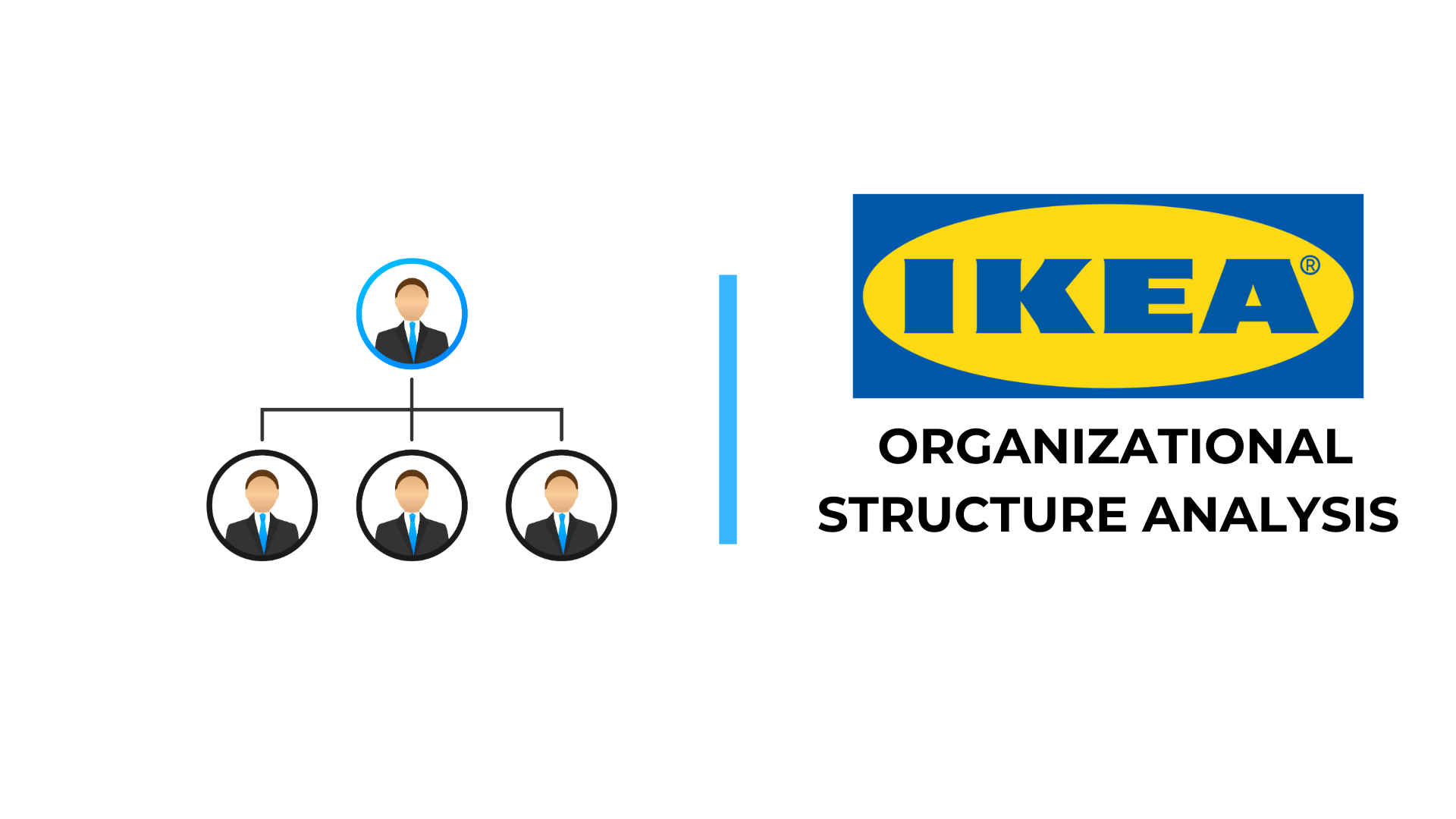
Organizational Chart of IKEA
IKEA’s organizational chart reflects its matrix structure, combining functional leadership with regional oversight. At the top is the CEO of Inter IKEA Group, Jon Abrahamsson Ring, overseeing overall strategy and brand vision. Supporting him are key C-level roles:
- CFO (Martin van Dam): Manages financial planning and sustainability investments
- Chief Digital Officer: Oversees digital transformation and e-commerce strategy
- Regional Managers: Lead operations across geographic areas like Europe, North America, and Asia
- Functional Heads: Include leaders for design, logistics, human resources, and supply chain
Why IKEA’s Structure Works
IKEA’s matrix structure enhances operational excellence and global responsiveness. Similar to the strengths identified in the ASICS SWOT analysis, combining brand heritage with modern global logistics contributes to agility across markets.
Centralized control ensures brand consistency and efficient resource use. Regional divisions support diverse operations, adapting to local markets. Functional leadership enables quick decision-making and innovation in product design and supply chain. This structure also promotes accountability across departments and geographies, aligning efforts toward long-term growth.
Conclusion
IKEA’s organizational structure effectively blends central control with regional flexibility, allowing it to scale globally while meeting local customer needs. Its matrix model supports efficiency, innovation, and consistent branding. By balancing functional expertise and geographic responsiveness, IKEA sustains its competitive edge.
IKEA’s organizational structure reflects its ambition to expand sustainably while remaining rooted in customer-centric design.
link